“Ceramic Genius”

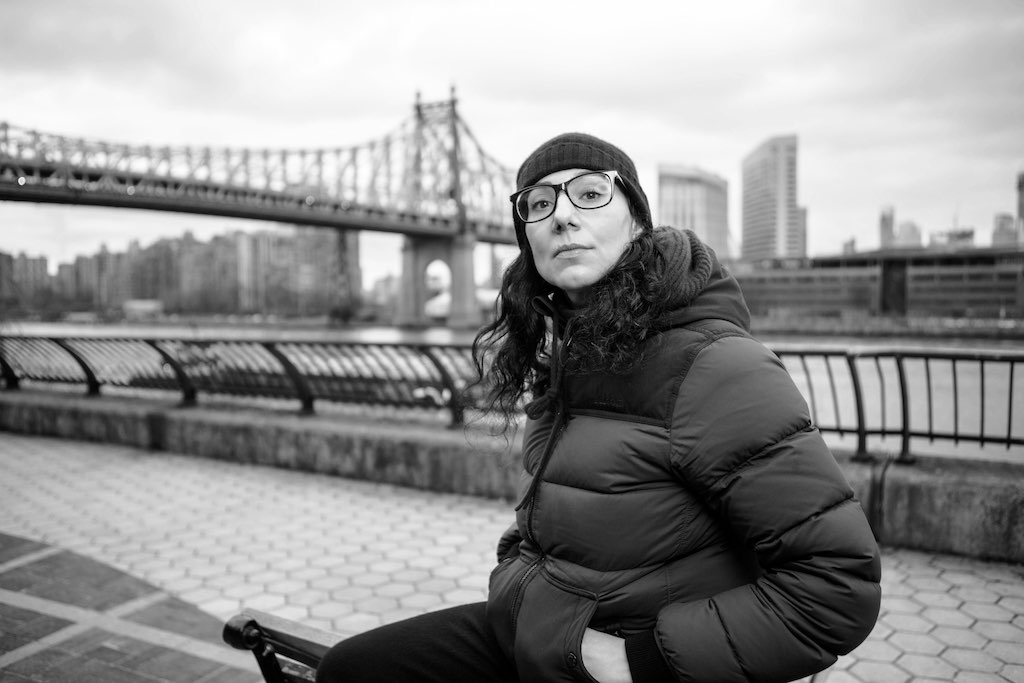
MARIA CABRA: BEHIND THE LENS
An exploration of light, storytelling, and the art of filmmaking.
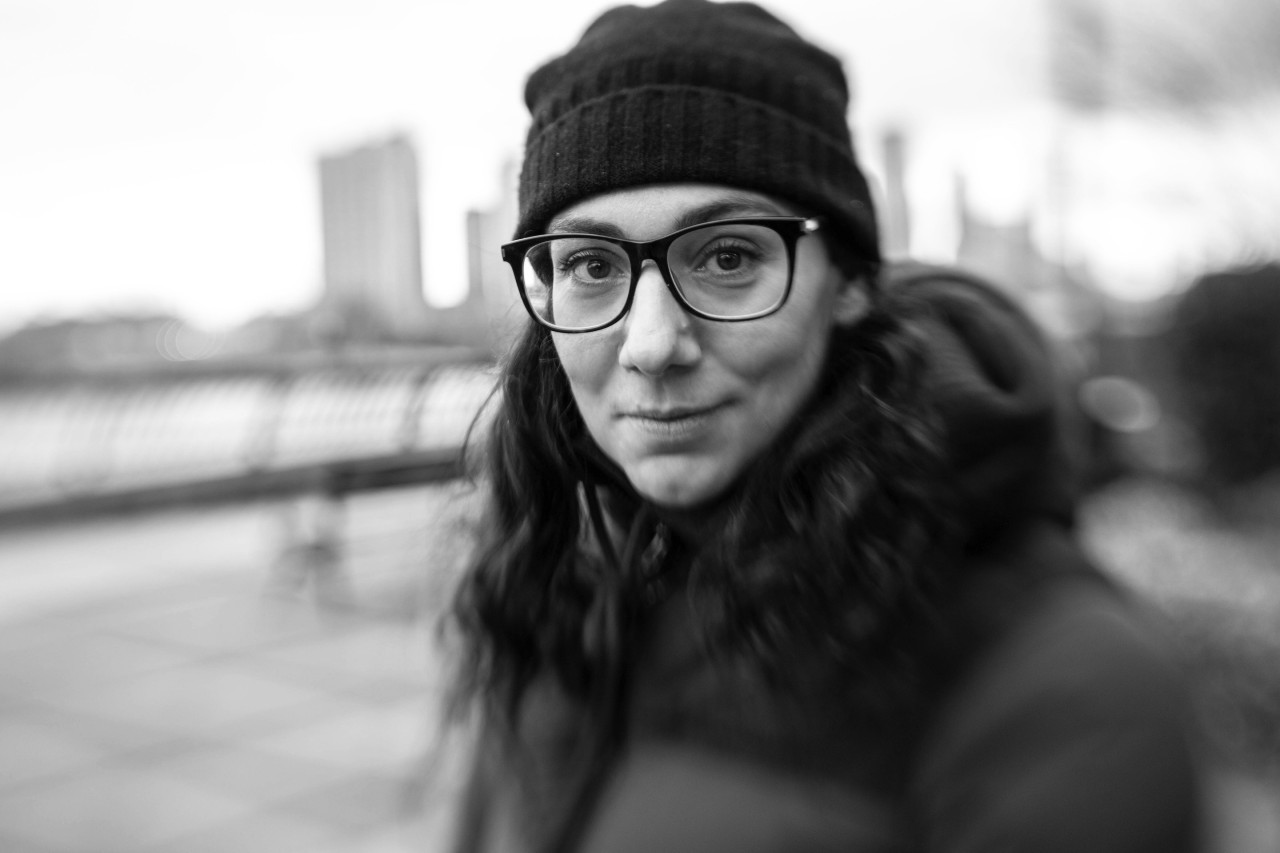
Meet Maria Cabra. Originally from Brescia, Italy, and now based in New York City, Maria has built a multifaceted career behind the camera, working across film, television, documentaries, commercials, and the arts. With experience as a gaffer (chief lighting technician), best boy electric, assistant camera, camera operator, and cinematographer, she has collaborated with an impressive roster of creative talents, including Ed Lachman, Todd Haynes, Questlove, Robert De Niro, Dua Lipa, Tom Holland, Eric André, John Cena, Marina Abramović, Jason Wu, and Billy Joel, among others.
Her recent work spans a diverse range of projects, from documentaries such as Billy Joel: And So It Goes, The Velvet Underground, NYC Point Gods, Meal Ticket, and Jussie Smollett: Anatomy of a Hoax to the National Geographic docuseries Little Italy – Bronx NY. She has also contributed to productions for NBC, A+E, Netflix, and Disney, including An Evening with Dua Lipa.
Beyond documentary filmmaking, Maria has worked on commercials for internationally recognized brands such as American Express, Mattel, Etsy, Audible, Aritzia, Ralph Lauren, Sony, OXO, Living Proof, Kiehl’s, NARS, Captain Morgan, Fernet-Branca, and The Washington Post.
Her recent projects also include working as a cinematographer and camera operator on The Dildo of Nantucket, operating cameras for video projects with Frieze and the Whitney Museum, and serving as a gaffer for the New York unit of The Penitent, directed by Luca Barbareschi, as well as the short film Don’t Forget 2 Smile, directed by Stefano Pennisi.
Maria’s relationship with TWELV Magazine dates back to her work as a videographer, capturing behind-the-scenes moments from photoshoots and creating editorial videos for A Woman Is a Gentleman and Dior Homme: Nostalgia. It is a pleasure to see her continue to evolve and thrive in an industry where her technical expertise, creativity, and versatility have brought her into contact with some of the most compelling figures and projects across film, fashion, and culture.
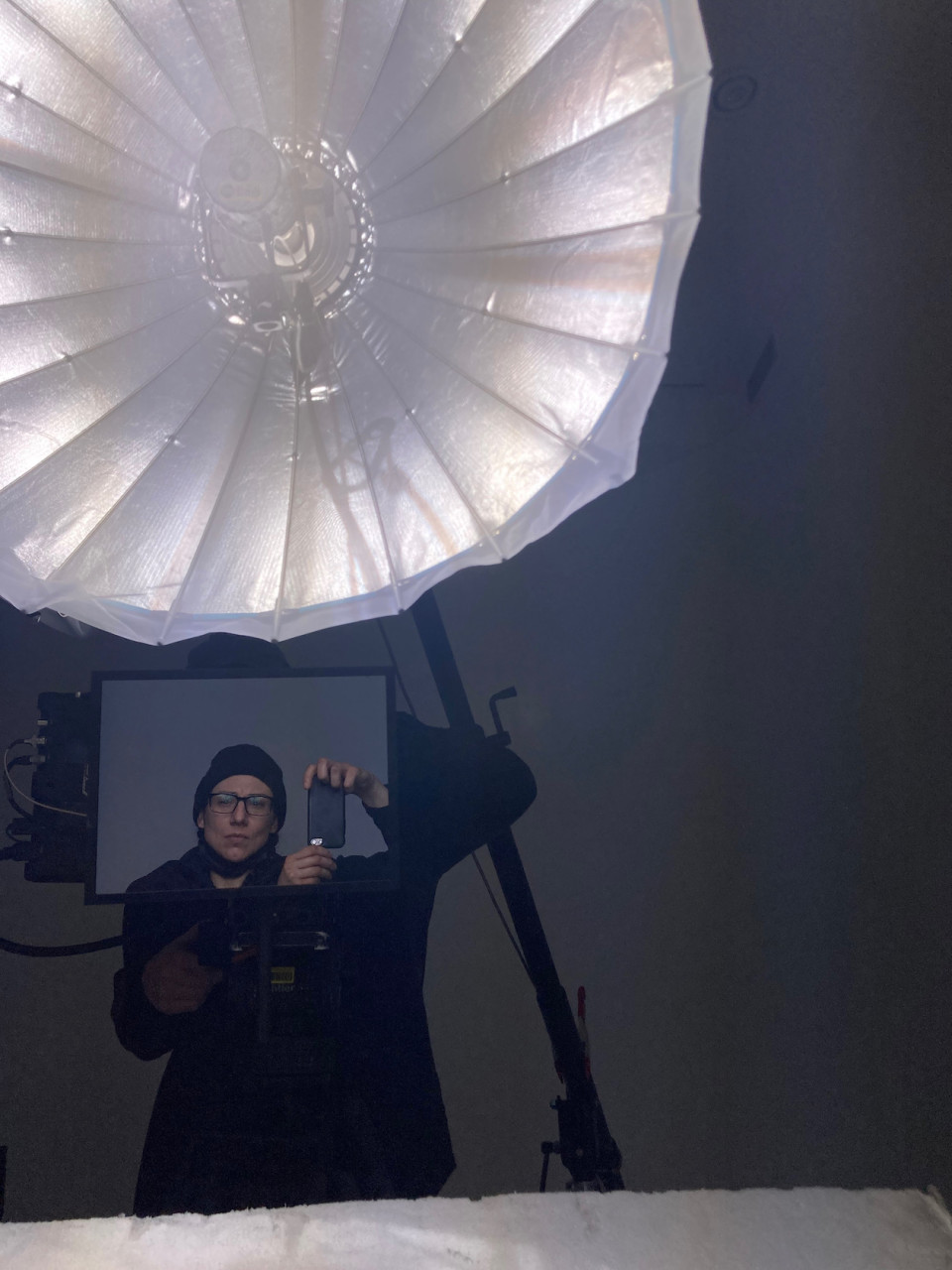
Navigating diverse creative environments, Maria has developed an approach that combines technical precision, visual storytelling, and adaptability. Whether shaping the atmosphere of a scene through lighting or capturing the nuances of a story through the lens, her work reflects the many dimensions of filmmaking.
We are delighted to reconnect with Maria, reflect on her journey, and explore the experiences, ambitions, and creative vision that continue to shape her path forward.
1. Hi, Maria! How are you? You've worked as a gaffer, best boy electric, cinematographer, and camera operator. Which role feels most like you, and why?
I think each of these roles represents a different side of my personality. As a best boy, I'm extremely organized and hands-on. As a gaffer, I focus on planning and finding solutions. As a cinematographer, I get to be more creative and visionary, while working as a camera operator allows me to focus on the details. Learning the craft comes not only from knowledge but also from experience. It's a constant work in progress. I've become a better gaffer because of my experience as an electrician and best boy, and I believe I'll become a better cinematographer through my experience as a camera operator and gaffer.
2. From Billy Joel: And So It Goes to The Velvet Underground and An Evening with Dua Lipa, you've worked on some incredible productions. Which project has been the most memorable so far?
Every project I've worked on has left me with good memories, whether because of a particular location we filmed in, a special setup we built, or a famous talent we worked with. After so many years, I guess I'm not easily surprised anymore. I adapt quickly to different environments and focus on finding solutions and getting the job done with the best attitude possible. I've collected so many interesting stories along the way. I've been in a room full of Emmys, inside the New York Stock Exchange, and at Electric Lady Studios. I've seen a Mondrian painting up close, visited MoMA and The Met early in the morning, walked through the kitchens of the Plaza Hotel, listened to fascinating interviews, and observed the habits of people I admire.
3. You've collaborated with names like Ed Lachman, Todd Haynes, Questlove, and Marina Abramović. Has anyone you've worked with particularly influenced your approach to your craft?
Working with Ed Lachman had a great influence on me, from his attention to detail and approach to lighting a subject to the way he observes reality and responds to it. I learned to ask questions and not be afraid to speak up for myself. I now pay closer attention to the details that can bring a story to life, whether it's a specific frame or how the choice of a lens can dictate the mood of a scene. But ultimately, a good story is the most important element to work with.
4. You previously worked with TWELV Magazine, capturing behind-the-scenes moments from photoshoots and creating editorial videos for A Woman Is a Gentleman and Dior Homme: Nostalgia. What do you remember most about those projects?
I remember being very open to new opportunities and excited to put myself to work, especially being part of the launch of a new magazine. Shooting the Dior Homme: Nostalgia editorial video was my favorite part. I worked alongside a director and had the opportunity to experiment with lighting and create different portraits that evoked a sense of nostalgia.
5. As a gaffer and camera operator, how do you approach lighting and visual storytelling? Has your perspective changed since you first started working behind the camera?
Since I started working behind the camera, I've developed a more structured approach. Learning different techniques has helped me create precise lighting plans and narrow down the possibilities. I also often find inspiration in the reality of a location, paying close attention to how natural light behaves within an environment. Cinematography is an art form that requires a great deal of technical knowledge, and it comes with its own set of rules. However, sometimes you have to break those rules to find a different way of solving problems creatively. Working on different projects has helped me broaden my perspective and find inspiration in alternative solutions.
6. Film sets can be stressful. How do you handle pressure and maintain a positive working environment for the crew?
I've learned to take care of both my body and mind. Working out regularly helps me release pressure and relieve stress. On set, I tend to use humor. Making people laugh helps them relax and eases the tension in the environment.
7. You moved from Italy to New York more than a decade ago. Does New York still feel like home, and what do you miss most about Italy?
When I first moved to New York, I felt accepted, and I began to realize that home is where you feel most comfortable and where your spirit can grow. New York isn't an easy place to live, but it's now the only place I can truly call home. At first, everything was exciting. Later, I started missing the Italian landscape and its art. The most important shift came when I stopped focusing on what I was missing and started appreciating what I had. I'm happy and grateful to be working here and to have built a new life in this beautiful city.
8. How do you find balance between working on set and your personal life?
Recently, I've found a better balance between my work and personal life. I've learned when to take breaks and how to respect my body when it needs rest.
9. You've worked across film, documentaries, fashion, and commercials. What kind of project would you love to take on next?
All of them, one by one, all over again!
10. What are you most excited about as you enter the next chapter of your life and career?
I'm excited to continue growing in my career and expanding my horizons even further. I'm planning to attend various courses, workshops, and networking events while continuing to work on set. I believe this will help me stay creative, develop my skills, and connect with more people in the industry.
EDITED BY KAREN YABUTA

TWELV takes a step back and visits the masterminds behind the camera.
IKEMEN (ē´k´mɛn): Japanese Slang
"REALLY, REALLY, RIDICULOUSLY GOOD LOOKING PEOPLE"
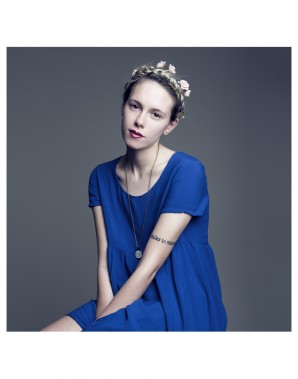
NAME: Erin Fetherston
ORIGIN: California
OCCUPATION: Fashion Designer
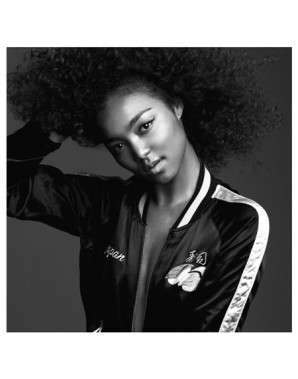
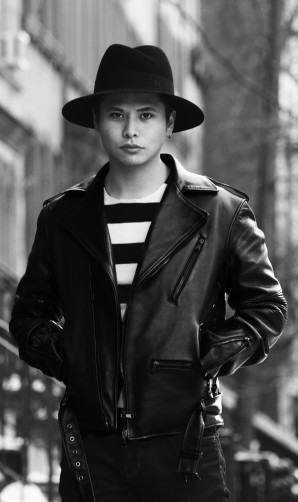
NAME: Crystal Kay
ORIGIN: Yokohama, Japan
OCCUPATION: Performer and musician
IKEMEN (ē´k´mɛn): Japanese Slang
"REALLY, REALLY, RIDICULOUSLY GOOD LOOKING PEOPLE"
IKEMEN (ē´k´mɛn): Japanese Slang
"REALLY, REALLY, RIDICULOUSLY GOOD LOOKING PEOPLE"

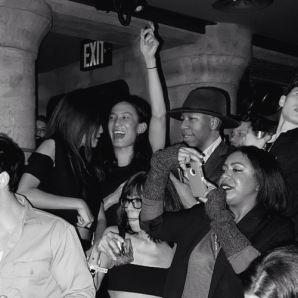
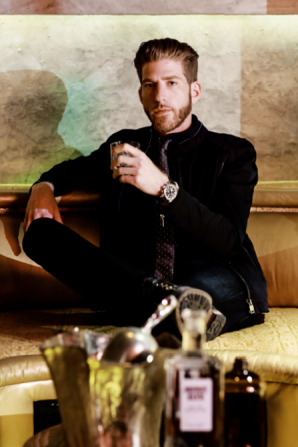
BABEL NEW YORK acclaimed the NYC party scene in celebration of their First Year Anniversary. As temperatures begin to heat up in NYC, there is no better locale than the much desired rooftop.
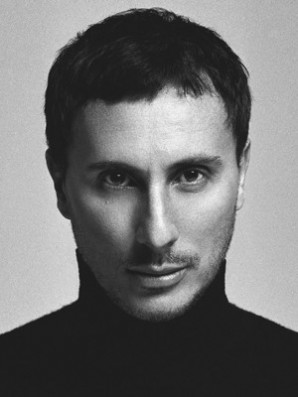
TWELV's Behind the Scenes takes a step back and visits the masterminds behind the camera.
IKEMEN (ē´k´mɛn): Japanese Slang
"REALLY, REALLY, RIDICULOUSLY GOOD LOOKING PEOPLE"
IKEMEN (ē´k´mɛn): Japanese Slang
"REALLY, REALLY, RIDICULOUSLY GOOD LOOKING PEOPLE"
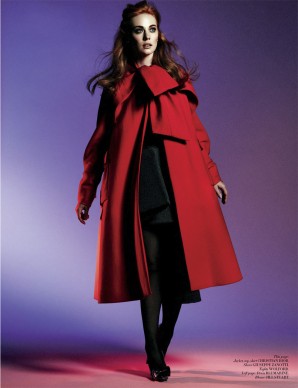
Deborah Ann Woll’s voice glows when she speaks, as warm and full as her golden red hair.
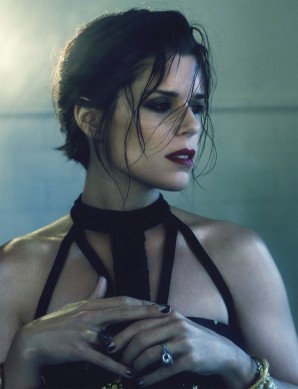
Carrying over two decades of the industry on her back, there aren’t many women with the grace and stoicism of Neve Campbell.
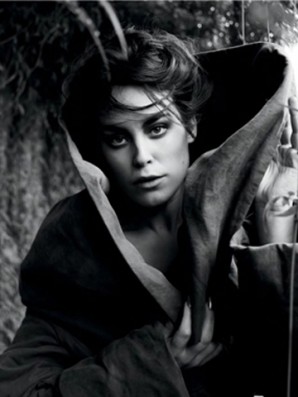
Gareth Pugh is a study in contrasts; balancing the demands of what is created and what is worn; what is in a designer’s control and what is in the hands of the wearer; what must be planned and...
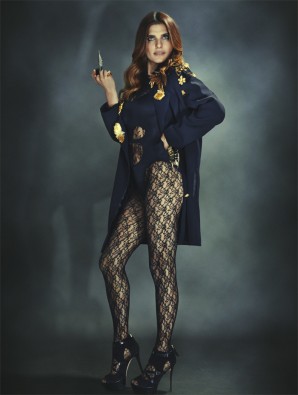
Lake Bell has made a name for herself as a charming, beautiful, and witty New Yorker capable of indie and blockbuster success (“It’s Complicated”, “No Strings Attached”, “Children’s Hospital...
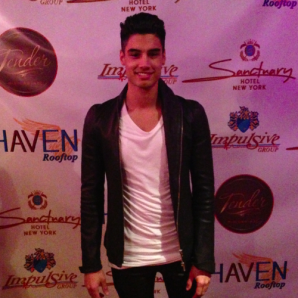
With Fashion Week’s second day over, Friday night was primetime for some of the most prominent designer to celebrate their successes over a glass of champagne.
IKEMEN (ē´k´mɛn): Japanese Slang
"REALLY, REALLY, RIDICULOUSLY GOOD LOOKING PEOPLE"
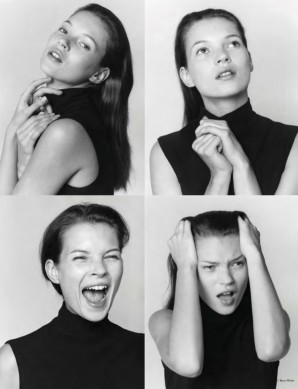
Happy birthday to everyone’s favorite super model Kate Moss. The Brit enters her 40th year with grace, and she looks better than ever.
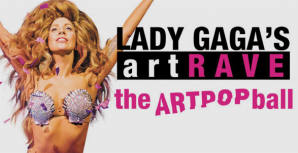
Lady Gaga is back, and this time, it’s not just to perform.
IKEMEN (ē´k´mɛn): Japanese Slang
"REALLY, REALLY, RIDICULOUSLY GOOD LOOKING PEOPLE"
IKEMEN (ē´k´mɛn): Japanese Slang
"REALLY, REALLY, RIDICULOUSLY GOOD LOOKING PEOPLE"
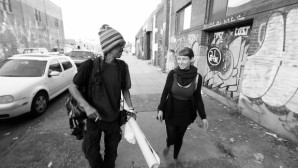
Futura came up in the grimy, visceral environment of New York City’s early 1970’s street culture of tagging, bombing and writing graffiti – making their art not in the city, but on top of it.
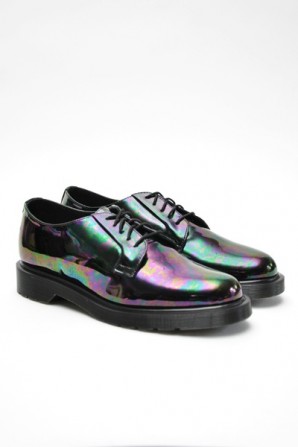
Buyer’s Regret: It’s just like buyer’s remorse only in reverse. And it is a fashion crime that I have and will probably continue to commit time and time again.
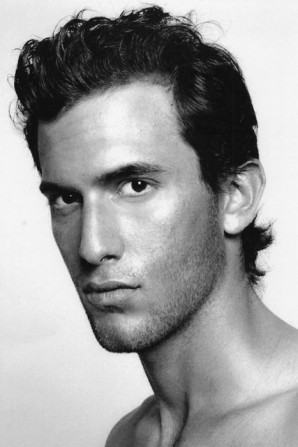
IKEMEN (ē´k´mɛn): Japanese Slang
"REALLY, REALLY, RIDICULOUSLY GOOD LOOKING PEOPLE"
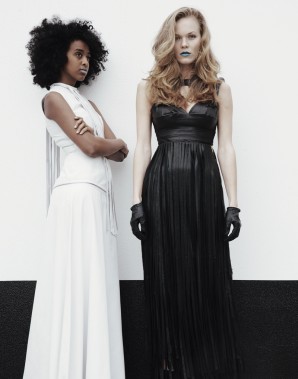
I find that Australia’s fashion industry can sometime be accused of playing catch-up with other, bigger and more cosmopolitan locations (i.e. Paris, London etc…) This needn’t be the case.
IKEMEN (ē´k´mɛn): Japanese Slang
"REALLY, REALLY, RIDICULOUSLY GOOD LOOKING PEOPLE"
Its no secret if you know me – I like to drink.
IKEMEN (ē´k´mɛn): Japanese Slang
"REALLY, REALLY, RIDICULOUSLY GOOD LOOKING PEOPLE"
IKEMEN (ē´k´mɛn): Japanese Slang
"REALLY, REALLY, RIDICULOUSLY GOOD LOOKING PEOPLE"
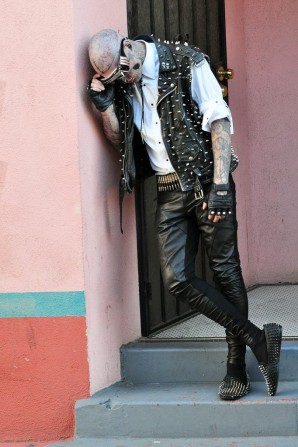
From Zombie Boy to living icon, Rick Genest isn’t just Nicola Formichetti’s muse anymore.
IKEMEN (ē´k´mɛn): Japanese Slang
"REALLY, REALLY, RIDICULOUSLY GOOD LOOKING PEOPLE"
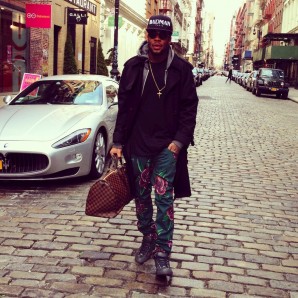
TWELV met up with the always-unpredictable artist Delano Brown for lunch in Bryant Park.
IKEMEN (ē´k´mɛn): Japanese Slang
"REALLY, REALLY, RIDICULOUSLY GOOD LOOKING PEOPLE"
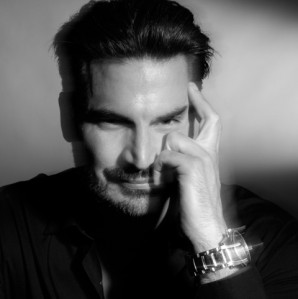
Who are you?
Rocco Leo Gaglioti Creator/Host of Fashion News Live and Owner/CEO of RLG Productions, Corp.